БЕСПЛАТНЫЕ семинары
Innovative approaches and technologies in teaching english
Автор: Югай Ольга Мавриковна
Организация: МОУ «Средняя школа №8»
Населенный пункт: Республика Крым, г. Джанкой
New-generation teaching materials significantly improve the English language learning process, making it more effective and engaging. Through the use of interactive technologies and multimedia resources, students are able to immerse themselves in the language environment and develop all skills—reading, writing, listening, and speaking—in a comprehensive manner. Modern materials are adapted to different levels and needs of students, allowing for personalized learning and improved results. Furthermore, these materials encourage motivation and independent study, making language learning not only useful but also engaging.
Here are several innovations that make learning English more accessible, engaging, and effective, promoting better retention and the development of communication skills.
1. Interactive online courses: These platforms offer English courses with interactive assignments, video lectures, and quizzes.
2. Language learning apps: Duolingo, Babbel, and Busuu use gamification and adaptive technologies for personalized learning.
3. Audio and video resources: Podcasts (e.g., "EnglishClass101") provide access to materials on various topics and with different accents.
4. Virtual reality (VR): Programs such as ENGAGE or ImmerseMe allow users to practice language in virtual environments, interacting with avatars and other learners.
5. Chatbots and AI assistants: Tools like ChatGPT or other AI platforms can help with conversational language practice and provide instant feedback.
6. Interactive textbooks: Digital textbooks with multimedia content (video, audio, interactive exercises) offer a deeper dive into the material.
7. Social platforms for language exchange: Apps like Tandem and HelloTalk allow learners to interact with native speakers, promoting practical application of knowledge.
8. Gaming platforms: Games like Kahoot! and Quizlet allow you to create quizzes and competitions for vocabulary and grammar practice.
9. Project-based assignments: Platforms that offer project-based learning (such as Canva for creating English presentations) help you apply language in the context of real-world tasks.
10. Mobile learning games: Games designed specifically for language learning, such as "Wordscapes" or "Words with Friends," make learning more engaging.
Let's take a closer look at some of these innovations.
Virtual reality can truly revolutionize language learning, making it more interactive and engaging. Here are a few additional aspects worth noting:
• Cultural immersion: VR allows learners not only to learn a language but also to experience the culture of countries where that language is the primary language. This can include virtual tours of historical sites, museums, and other significant sites.
• Scenario diversity: The ability to simulate a variety of situations—from everyday life to professional ones—helps learners prepare for real-life situations where language proficiency is required.
• Accessibility: VR technology is becoming increasingly accessible, allowing more people to use it for language learning, regardless of location.
• Motivation and Engagement: Using technology like VR can increase learner motivation. Interactive and visually engaging activities promote greater engagement in the learning process.
• Skill Testing: Some VR platforms offer skill testing and assessment, allowing learners to track their progress and identify areas that require additional attention.
Overall, virtual reality is a powerful language learning tool that combines technology, learning, and cultural enrichment. It's a truly immersive way to make language learning more effective and engaging!
Innovations like immersive learning using virtual reality (VR) truly create a unique environment that promotes deeper and more effective language acquisition. Let's consider the benefits of immersive learning:
1. Contextual learning: Learners can practice language in real or simulated situations, which helps them better remember words and phrases and understand their use in context.
2. Interactivity: Virtual reality allows learners to actively interact with the environment, making the learning process more dynamic and engaging. This can include dialogues with virtual characters, completing tasks, and solving problems.
3. Stress reduction: Many people experience stress when speaking a foreign language. VR provides a safe space for practice, where learners can make mistakes and learn from them without fear of judgment.
4. Communication skills development: Learners can practice listening and speaking skills in realistic settings, which helps improve their confidence and fluency.
5. Visual and audiovisual stimuli: Using visual elements and sound effects helps learners better retain information and associate words with specific images and situations. 6. Learning Flexibility: VR allows students to study anytime and anywhere, making the process more convenient and accessible.
7. Real-Time Feedback: Some VR platforms can provide instant feedback on pronunciation and grammar, helping students quickly correct errors and improve their skills.
Immersive learning using VR opens new horizons for language learning, making it more engaging, effective, and tailored to the needs of each student.
It can be concluded that innovative English language teaching methods are effective for several reasons:
1. Individualization of learning: Modern technologies allow the learning process to be tailored to the needs and level of each student. This ensures more focused and effective learning.
2. Interactivity: The use of interactive platforms and multimedia resources makes learning more engaging and engaging. Students are more actively involved in the process, which contributes to better retention of information. 3. Practical Application: Innovative methods such as virtual reality and language exchanges provide opportunities to practice language in real-life situations, significantly improving communication skills.
4. Motivation: Gamification and the use of game elements in learning increase student motivation. Competitions and rewards make the learning process more engaging.
5. Accessibility: Cloud technology and online resources provide access to materials anytime and anywhere, allowing students to learn at their own pace.
6. Variety of Format: Multimedia resources such as videos, podcasts, and interactive activities promote the development of various skills (reading, listening, speaking) and make learning more varied.
7. Community and Support: Participation in online communities and forums provides the opportunity to share experiences and receive support from other learners, which fosters a deeper understanding of the language and culture. Ultimately, innovative English language teaching methods create a more effective, motivating, and accessible learning environment, which significantly improves learning outcomes.
The List of References
- Blin, F., Jalkanen, J. (2015). The Role of Digital Technologies in Language Learning: A Review of the Literature. *Computer Assisted Language Learning*, 28(3), 260-276.
- Godwin-Jones, R. (2018). Emerging Technologies: Language Learning and Technology. *Language Learning Technology*, 22(1), 1-17.
- Kessler, G. (2018). Collaborative Language Learning and Teaching. Routledge.
- Scrivener, J. (2010). Learning Teaching: The Essential Guide to English Language Teaching. Macmillan Education.
- Thornbury, S. (2006). How to Teach Speaking. Pearson Education.
- Wang, Y., Vásquez, C. (2012). The Effect of Social Media on Language Learning: A Study of Chinese Learners of English. *Computer Assisted Language Learning*, 25(4), 329-346.
Опубликовано: 05.12.2025
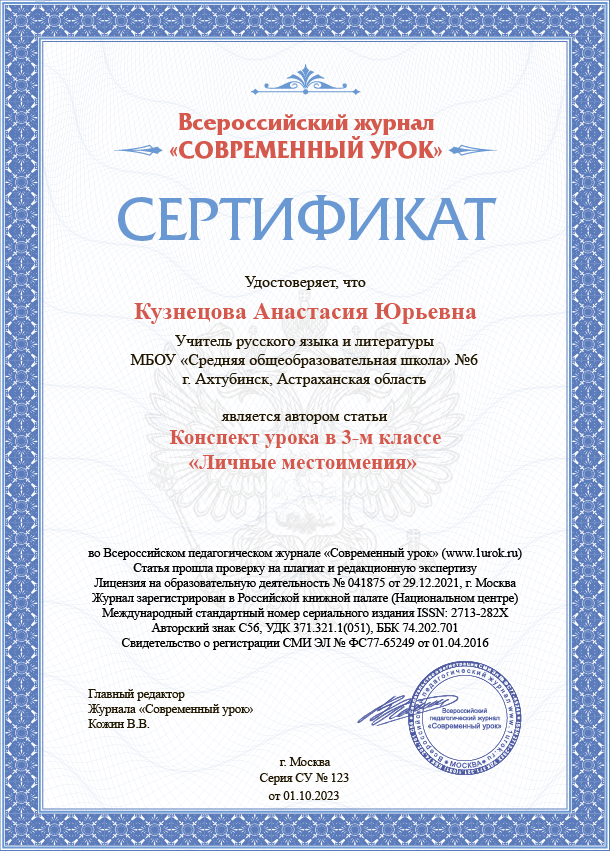
Сертификат о публикации
Диплом участника конкурса


Лицензия Федеральной службы по надзору в сфере образования и науки (Рособрнадзор)

Регистрация в Федеральной службе по надзору в сфере связи, информационных технологий и массовых коммуникаций (Роскомнадзор)

Регистрация Российской книжной палаты, международный стандартный серийный номер ISSN: 2713-282X