БЕСПЛАТНЫЕ семинары
Motivation in learning foreign languages
Автор: Назерке Кумарбек
Организация: ЖУ Жетысуский Университет
Населенный пункт: город Талдыкорган
Автор: Шайпан Алима
Организация: ЖУ Жетысуский Университет
Населенный пункт: город Талдыкорган
В данной статье рассматривается роль мотивации в процессе изучения иностранных языков. Анализируются основные виды мотивации, влияющие на эффективность обучения, а также факторы, способствующие повышению интереса студентов к изучению иностранных языков. Особое внимание уделяется внутренней и внешней мотивации, их влиянию на академическую успеваемость и развитие коммуникативных навыков. Исследование показывает, что высокий уровень мотивации способствует успешному овладению иностранным языком и повышению качества образовательного процесса.
Ключевые слова: мотивация, иностранный язык, обучение, студенты, внутренняя мотивация, внешняя мотивация, языковая компетенция.
In the modern world, the ability to communicate in foreign languages has become increasingly important. Globalization, international cooperation, technological development, and academic mobility have created a growing demand for multilingual individuals. As a result, foreign language learning has become a priority in educational systems worldwide. However, learning a foreign language is often a challenging and lengthy process that requires consistent effort, dedication, and persistence. Among the numerous factors influencing language learning success, motivation is considered one of the most significant.
Motivation is generally defined as the force that initiates, directs, and sustains human behavior toward achieving specific goals. In the context of language learning, motivation determines why learners choose to study a language, how much effort they invest in the learning process, and how long they maintain their interest despite difficulties.
Researchers in the field of language education have repeatedly emphasized that highly motivated students tend to achieve better results than those with low motivation. Therefore, understanding the nature of motivation and its impact on foreign language learning is essential for both educators and learners.
The aim of this article is to examine the concept of motivation, identify its major types, analyze factors affecting learners’ motivation, and discuss strategies that can enhance motivation in foreign language education.
The Concept of Motivation in Language Learning
Motivation has been extensively studied in psychology and education. It is often described as an internal state that energizes and directs behavior toward achieving a goal. In foreign language learning, motivation influences learners’ willingness to participate in classroom activities, practice language skills, and overcome learning challenges.
According to educational psychologists, motivation plays a central role in determining learning outcomes. Even students with high intellectual abilities may fail to achieve success if they lack motivation. Conversely, motivated learners often compensate for difficulties through persistence and hard work.
Language learning requires continuous practice in listening, speaking, reading, and writing. Since mastery cannot be achieved overnight, students need a strong motivational foundation to maintain their efforts over time. Motivation encourages learners to engage actively with language materials, seek opportunities for communication, and develop confidence in using the target language.
Types of Motivation
One of the most widely accepted classifications distinguishes between intrinsic and extrinsic motivation.
Intrinsic Motivation
Intrinsic motivation refers to engaging in an activity because it is personally enjoyable, interesting, or satisfying. Students who are intrinsically motivated learn a language because they enjoy discovering new cultures, communicating with people from different countries, or challenging themselves intellectually.
Intrinsic motivation is often associated with higher levels of creativity, deeper learning, and long-term commitment. Learners driven by intrinsic motivation tend to focus on the learning process itself rather than external rewards.
For example, a student may study English because they enjoy watching movies in their original language or reading international literature. Such learners are usually more independent and willing to practice outside the classroom.
Extrinsic Motivation
Extrinsic motivation arises from external factors such as grades, examinations, scholarships, employment opportunities, or social recognition. In this case, language learning is viewed as a means of achieving another goal.
Many university students study foreign languages because language proficiency is required for graduation, career advancement, or international study programs. Although extrinsic motivation may not always be as stable as intrinsic motivation, it can still significantly influence learning outcomes.
For example, students preparing for international language tests such as IELTS or TOEFL are often motivated by academic or professional goals. These external incentives encourage them to invest time and effort in language learning.
Factors Influencing Motivation
Several factors affect learners’ motivation in foreign language education.
Teacher’s Role
Teachers play a crucial role in creating a motivating learning environment. Enthusiastic and supportive teachers can inspire students and increase their interest in learning. Effective teaching methods, constructive feedback, and positive classroom relationships contribute significantly to learner motivation.
Students are more likely to remain motivated when teachers recognize their achievements and encourage continuous improvement.
Learning Environment
The classroom atmosphere greatly influences motivation. A positive environment where students feel comfortable expressing themselves promotes active participation and reduces language anxiety.
Collaborative activities, group discussions, role plays, and interactive tasks can make learning more engaging and enjoyable.
Learning Materials
Interesting and relevant learning materials increase student motivation. Authentic resources such as films, podcasts, songs, news articles, and social media content help learners connect classroom learning with real-life situations.
Modern technologies have expanded access to diverse educational resources, making language learning more interactive and personalized.
Personal Goals
Students with clear learning goals tend to be more motivated. Goals provide direction and help learners measure their progress. Whether the objective is studying abroad, obtaining a better job, or communicating with international friends, clearly defined goals strengthen commitment to learning.
The Impact of Motivation on Language Learning Success
Motivation directly affects language learning outcomes. Research indicates that motivated students demonstrate greater persistence, spend more time practicing language skills, and show higher levels of achievement.
Motivated learners are more willing to participate in classroom discussions, ask questions, and seek additional learning opportunities. They are also more likely to overcome difficulties and maintain their efforts when faced with challenges.
Furthermore, motivation positively influences language anxiety. Students who are motivated often develop greater confidence in their abilities and are less afraid of making mistakes. This confidence encourages them to communicate more frequently and improve their fluency.
Academic performance is also closely linked to motivation. Studies have consistently shown that motivated learners achieve higher test scores and develop stronger communicative competence than less motivated peers.
Strategies for Enhancing Motivation
Educators can implement various strategies to increase student motivation.
First, teachers should create meaningful and achievable learning goals. When students understand the purpose of learning activities, they are more likely to engage actively.
Second, incorporating technology into language instruction can enhance motivation. Educational applications, online platforms, language games, and virtual exchanges make learning more dynamic and interactive.
Third, teachers should provide regular positive feedback. Recognition of students’ efforts and achievements reinforces motivation and encourages further improvement.
Fourth, learner autonomy should be promoted. Allowing students to choose topics, projects, or learning resources increases their sense of responsibility and ownership of the learning process.
Finally, cultural aspects should be integrated into language teaching. Learning about traditions, customs, history, and lifestyles of other countries increases students’ interest and broadens their perspectives.
Conclusion
Motivation is one of the most important factors influencing foreign language learning success. It determines learners’ willingness to engage in educational activities, maintain effort, and overcome challenges throughout the learning process.
Both intrinsic and extrinsic motivation contribute to language acquisition, although intrinsic motivation is often associated with greater long-term success. Teachers, learning environments, educational materials, and personal goals all play significant roles in shaping learner motivation.
By implementing effective motivational strategies and creating supportive learning conditions, educators can enhance students’ engagement and improve language learning outcomes. As foreign language proficiency becomes increasingly valuable in today’s interconnected world, fostering motivation should remain a priority in language education.
References
1. Gardner, R. C. Motivation and Second Language Acquisition. New York: Peter Lang, 2010.
2. Dörnyei, Z. Motivational Strategies in the Language Classroom. Cambridge: Cambridge University Press, 2001.
3. Brown, H. D. Principles of Language Learning and Teaching. New York: Pearson Education, 2007.
4. Harmer, J. The Practice of English Language Teaching. London: Pearson Longman, 2015.
5. Lightbown, P. M., & Spada, N. How Languages are Learned. Oxford: Oxford University Press, 2021.
6. Deci, E. L., & Ryan, R. M. Intrinsic Motivation and Self-Determination in Human Behavior. New York: Plenum Press, 1985.
7. Ellis, R. The Study of Second Language Acquisition. Oxford: Oxford University Press, 2015.
Опубликовано: 09.06.2026
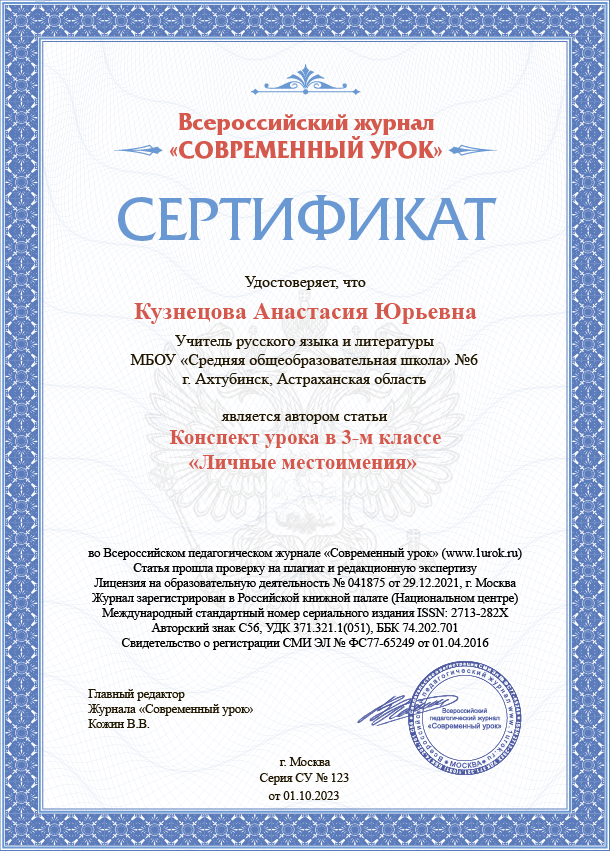
Сертификат о публикации
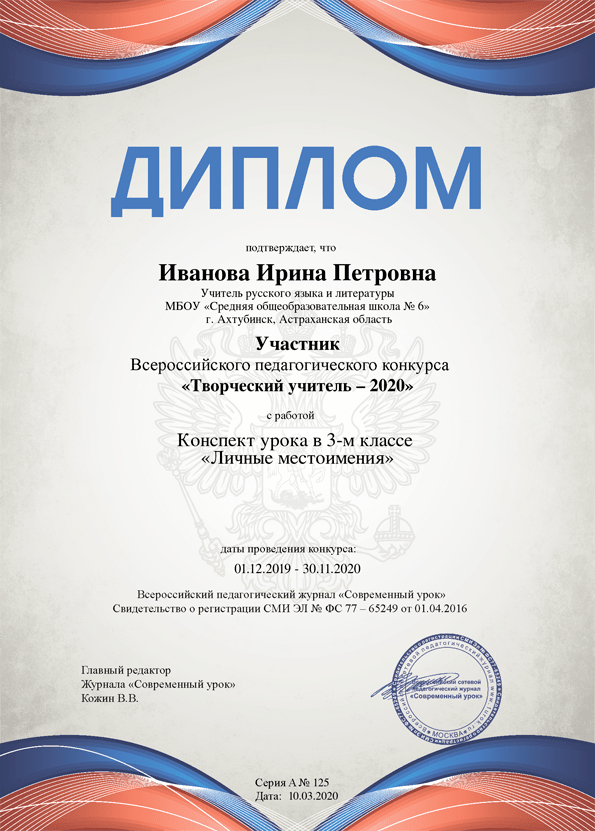
Диплом участника конкурса
Лицензия Федеральной службы по надзору в сфере образования и науки (Рособрнадзор)

Регистрация в Федеральной службе по надзору в сфере связи, информационных технологий и массовых коммуникаций (Роскомнадзор)

Регистрация Российской книжной палаты, международный стандартный серийный номер ISSN: 2713-282X